Wednesday, 26 February 2014

bright winter days


E' sonnacchiosa l'atmosfera di questi giorni invernali inaspettatamente miti e assolati. Un cane che ciondola per il giardino senza badare troppo ai passanti. Un gatto inerte, posato al sole. Un inverno inusuale, mentre le giornate intanto si allungano. E ci piace così.

These past days, Brussels has been graced with mild and sunny winter days. There's a sleepy calm around, as people sit on benches and put their face in the sun. This unusual winter is all sketched in this scene. An indolent dog hanging around the garden, uninterested in passers-by; an idle sleepy cat sunbathing on the window-sill. Meanwhile the days are getting longer...

Friday, 21 February 2014

taste of South Africa


As I make myself a rooibos tea -this morning is almond and cream flavour- my mind goes back to that day we drove 500 km on the Cape-Namibia Route to visit the unique world region where rooibos tea is produced. Many have tried in vain to master its cultivation. However, the rooibos plant, known as fynbos, remains a prerogative of the Cederberg mountains, to which is indigenous. Here, the secrets of this red bush (rooi+bos) are preserved and cherished in a recipe of wilderness, rocky peaks, sandy ground, uncontaminated mountain streams, and clean air. These elements make for a refreshing bevarage of a pleasing red colour, a bitterless taste and many beneficial soothing properties. My favourite? Pure rooibos tea, a lemon drop, and a hint of thyme honey: oh the joy. 

But as a longtime rooibos fan, it was the taste of other delicacies to define our South African days. It was a refreshing cold bottle of Savanna Dry light at night, a Windhoek lager beer, a Carling Black Label or the delicious Castle Milk Stout with its surprising hint of milk. Our mornings tasted of savory scrambled eggs when we could choose, or of comforting boiled eggs if we had to hit the road early in the morning. The uncertainty of the very first days tasted of experiments such as avocado pizza and sticky braai papOur endless walks and discoveries in and around Cape Town tasted of the rewarding portuguese-inspired pasteis de nata, while our wildest culinary explorations had to taste of gummy crocodile meat or lighter and stronger ostrich flesh. Windy Knysna tasted of lemonish oysters whereas the dry little Karoo savored of mouth watering slow cooked lamb. Yummy! The taste of juicy honey koeksisters accompanied our drives through the driest landscapes. The sobriety of our Christmas lunch tasted of known flavours, barley, tomatoes, cheese, ananas. Durban had the distinct taste of curries, while that sharp mango-chutney flavour became typical of dinners with friends. And I can't forget of the luscious combination wine-chocolate, which marked our passage through the wine lands. All along, our road trip retained the taste of biltong, tasty cured meat conveniently available everywhere we'd go. And finally, for all those times that I remember vaguely, the record of the smell and the taste of the braai, the quintessential South African BBQ that brings everyone together no matter their religion or colour, is unforgettable. 
▬▬▬ ☻ ▬▬▬ ☻ ▬▬▬ ☻ ▬▬▬


Mentre mi preparo un tè al rooibos –gusto di mandorle e crema per stamattina- la mia mente ritorna a quel giorno in cui abbiamo guidato per 500 km lungo la Cape-Namibia per visitare una regione unica al mondo, la sola dove il rooibos viene prodotto. In tanti hanno provato invano a padroneggiarne la coltivazione, ma la pianta del rooibos, nota come fynbos, resta una prerogativa della catena montuosa del Cederberg di cui è indigena. In questa regione, i segreti del famoso arbusto rosso (da qui il nome rooi+bos) sono custoditi e salvaguardati in una ricetta di selvaggia bellezza, di cime rocciose, terra sabbiosa, fiumi incontaminati e aria pura. Sono questi gli elementi che nel tempo hanno assicurato una bevanda dissetante dal piacevole colore rosso, per niente amara e dalla numerose proprietà calmanti. Il mio preferito? Rooibos naturale, una goccia di limone e un cucchiaino di miele al timo.

Ma in qualità di fan del rooibos di lunga data, è stato il gusto di altre delizie a definire i nostri giorni Sudafricani. È stato il gusto di una rinfrescante bottiglia ghiacciata di Savanna Dry di sera, una birra lager Windhoek, una Carling Black Label o la deliziosa Castle Milk Stout con il suo sorprendente sapore di latte appena accennato. Le nostre mattine hanno avuto il sapore di gustose uova strapazzate quando potevamo scegliere, altrimenti quello di confortanti uova sode se bisognava mettersi su strada al mattino presto. L’incertezza dei primissimi giorni sapeva di esperimenti quali pizza con avocado e appiccicosa braai pap. Le nostre infinite camminate e le scoperte a Città del Capo e dintorni avevano il gusto di gratificanti pasteis de nata d’ispirazione portoghese, mentre le nostre scoperte culinarie più estreme non potevano che sapere di gommosa carne di coccodrillo o della più magra ma decisa carne di struzzo. La ventosa Knysna aveva il sapore di ostriche al limone, ma l’arido piccolo Karoo il sapore dell’agnello cotto lentamente...fa venire l’acquolina in bocca solo a pensarci! Il gusto dei succulenti koeksisters ripieni di miele ha accompagnato le nostre guidate per i paesaggi più aridi. La sobrietà del nostro Natale ha avuto il gusto di sapori già noti, come di orzo, pomodori, formaggio e ananas. Durban sapeva distintamente di curry vari, mentre a diventar tipico delle cene con amici è stato quel deciso sapore di mango-chutney. Per non dimenticare poi della seducente accoppiata vino&cioccolato, marchio del nostro passaggio per le terre del vino. In lungo e in largo, il nostro viaggio su strada ha conservato il sapore dell’immancabile biltong, carne essiccata, marinata e speziata alla maniera afrikaner che convenientemente era reperibile ovunque andassimo. E infine, per tutte quelle volte di cui non ho ricordo, l’odore e il sapore del braai, quintessenza del Sud Africa al di là di ogni colore e religione, resta invece indimenticabile.

Friday, 7 February 2014

he saw the elephant and he saw Africa

Actual footprint size of an adult elephant
This is about the life of the legendary Bvenkenya (S.C. Bernard is actual name), an adventurer, an outlaw for twenty years. In his early African days he was an elephant poacher, 'the poacher of all poachers', but later became a conservationist. He had been extremely active on the ivory trail spanning across present day South Africa, Zimbabwe and Mozambique. He's said to have shot about 300 elephants (!), until 1929 when he tracked a huge elephant (thought to be the fabled Dhlulamithi), and was on the point of firing when filled with compassion (so wrote Bulpin) he let it go. This was his turning point, a realisation that he loved Africa and its wildlife which needed to be preserved and used wisely.

"He saw the elephant's eyes: its weather beaten face, the wrinkles in its skin, the tremors of its body, the waving of its ears with the ragged ends where the thorns had torn them. He saw the scars of ancient battles and the slight wound of his own bullet. He saw the elephant in its strength and its wisdom, its savagery, patience and courage. He saw Africa and he knew that he loved it. He put down the gun. “Let him live”, he said… So he went his way. It was November 1929". - Extract from 'the Ivory Trail" written by T.V. Bulpin, 1954.

♣ ♣ ♣ ♣ ♣ ▬ ♣ ▬ ♣ ♣ ♣ ♣ ♣


Questo è un pezzo della storia del leggendario Bvenkenya, soprannome di S.C. Barnard, avventuriero e fuori legge per circa vent'anni. Durante i suoi primi anni in Africa fu un bracconiere d'elefanti, il bracconiere dei bracconieri, ma successivamente un ambientalista. Un ribaltamento. Fu estremamente attivo lungo la via dell'avorio attraverso quelli che oggi sono il Sud Africa, Zimbabwe e Mozambico. Si dice che durante la sua carriera di bracconiere abbia premuto il grilletto contro circa 300 elefanti (!) fino al 1929, quando riuscì a rintracciare un pachiderma enorme, forse il mitico Dhlulamithi, e sul momento di sparargli si riempie di compassione (così scrive Bulpin) e lo lascia andare. Da quel momento si prende cura della salvaguardia degli elefanti.

"Vide gli occhi dell'elefante: il suo volto consumato dal tempo, le rughe della pelle, il tremore del corpo, il muoversi delle orecchie dai lembi lacerati per via delle spine. Vide le cicatrici di  vecchie battaglie e la lieve ferita del suo stesso proiettile. Vide l'elefante in tutta la sua forza e saggezza, bestialità, pazienza e coraggio. Vide l'Africa e si rese conto di amarla. Mise giù il fucile. "Lascialo vivere" disse... Così se ne andò per la sua strada. Era il mese di novembre del 1929". - Estratto da 'The Ivory Trail' scritto da T.V. Bulpin, 1954.

Thursday, 6 February 2014

in the shadow of a tree...


It sounds like the title of a known book, and it reminds of some typical African scene sets in the heat of the day when the whole village is dozing off in the precious shadow of some tree. Other than that, to sit in the shade of a tree is here a cultural concept, that of resting. Even on the road, it's the sign of the resting area. 
 ♣ ♣ ♣ ♣ ♣  ▬  ♣ ♣ ♣ ♣ ♣

Suona come il titolo di un libro conosciuto; e fa pensare a una tipica scena africana ambientata nel momento più caldo della giornata quando l'intero villaggio sonnecchia nella preziosa ombra di un albero. Qui, sedersi all'ombra si traduce culturalmente nel concetto stesso di riposo. Persino su strada, è il segnale dell'area di sosta (intesa proprio come riposo, perchè i kilometri sono tanti e perchè c'è appunto soltanto un albero e qualche posto a sedere).

Friday, 31 January 2014

round life

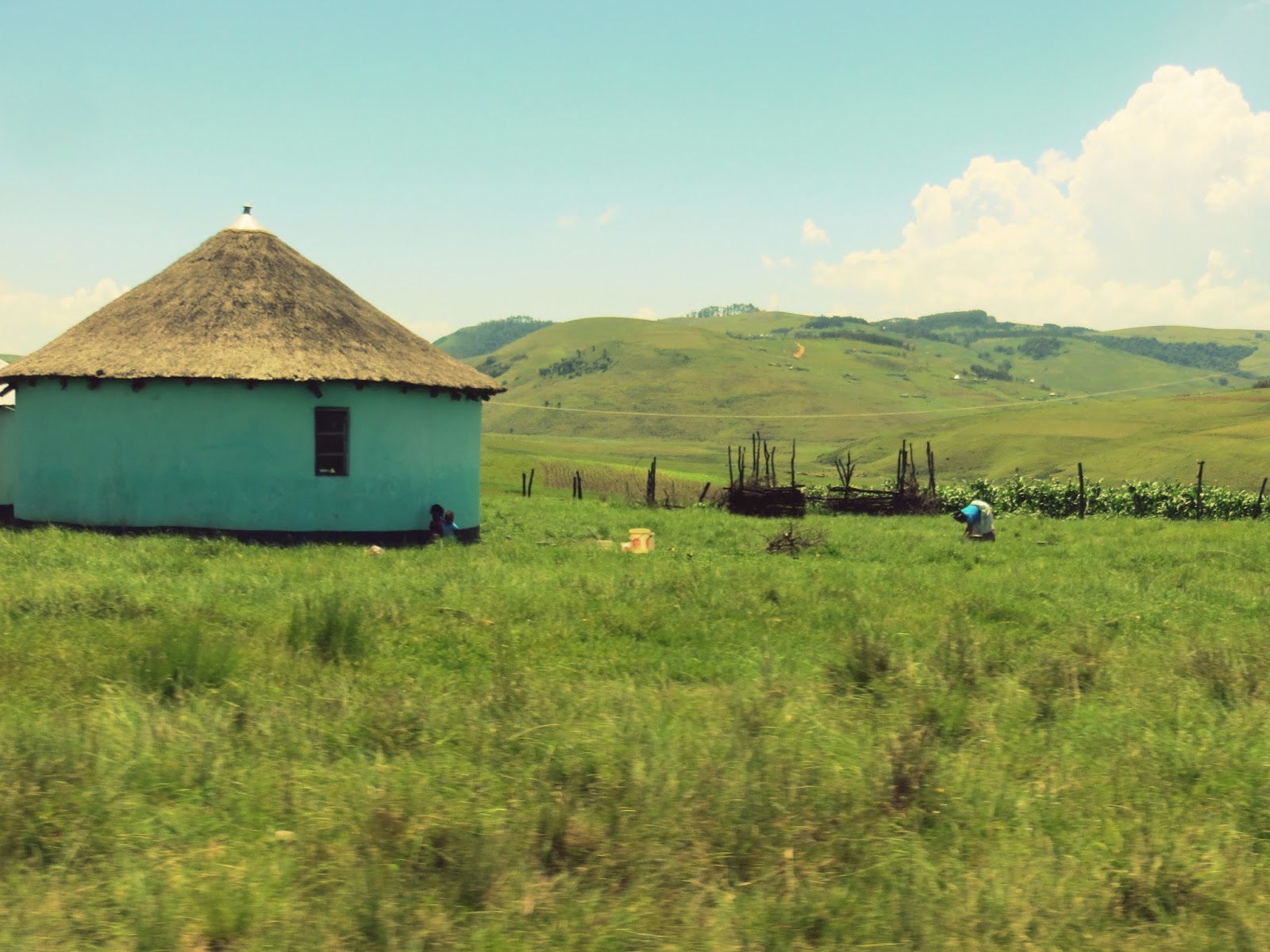
Quando quell'artista afro-indiano di Mossel Bay voleva vendermi un suo dipinto con palme e casette rotonde, l'aveva capito subito che mi incuriosivano. 'Sono tipicamente africane!', aveva detto. E mentalmente cercavo un ricordo da qualche parte nella mia testa, ma niente. Di case rotonde non ne avevo ancora vista una. 'Dove si possono vedere?' gli avevo chiesto, e lui esultante 'QUI...dappertutto!'

I rondavels non si trovano proprio dappertutto, ma in Sud Africa è stato da Mossel Bay in poi che il paesaggio ha cominciato a colorarsi con la loro fiera presenza. Se ne trovano di diverse versioni, semplici o decoratissimi, monocolore o estremamente colorati - senza escludere rosa-shocking e verde acqua. Le colline della provincia del Capo Orientale e di quella di Kuazulu-Natal sono una meraviglia con i loro rondavels. La domanda che mi girava in testa era banale ma sincera: perchè una casa rotonda? Mi è stato detto perchè tutto ruota intorno a un centro, e tutti contribuiscono all'unità di quel centro, di quella famiglia, ancor prima di occuparsi di se stessi. E' in cerchio che la comunità si riunisce. Romantica come risposta, ma potrebbe essere anche per semplice praticità...nessun angolo da appuntire. Ora, a dire il vero, la mia ingenua meraviglia di fronte al rondavel deriva anche dal fatto che mi mancano le versioni nostrane. I trulli della Puglia, bianchi e unici nel loro stile (addirittura patrimonio dell'Unesco), mai visti. E l'irlandese/scozzese crannog nel bel mezzo del lago? Questo sì che è da vedere!

☻▬▬☻▬▬ ☻ ▬▬☻▬▬☻

When a certain African-Indian artist wanted to sell me one of his paintings with palms and round houses, he sensed immeditaly my interest in those round houses. 'They are very African!', he said. But as much as I tried I could not remember to have seen any round house yet. 'Where can I see them?', I asked, and he joyfully replied 'HIER....everywhere'. 

The rondavels are not exactly everywhere in South Africa, but after passing the city of Mossel Bay they started to dot the landscape with their colourful presence. Each owner gives a special touch to his rondavels and indeed they can seen in many variations. Simple or superdecorated, monocolour or brightly coloured, including shocking pink or watergreen. The rondavels make the pretty hills of the Easter Cape and Kuazulu-Natal even prettier. But the banal yet sincere question I had in mind was, why would a house be round? I've been told they're circular as the community comes together in a circle, and everyone contributes to the centre and not for themselves. A romanticized answer perhaps, but I take it as it is and add that perhaps is just a matter of practicality. Isn't it practical to build a house having no corners to sharpen? To tell the truth, my wonder of the rondavels comes also from the fact of missing our version of round houses. The famous trulli in Apulia region, white and unique in their style to constitute even a Unesco heritage site, I have never seen them. And what about the Irish/Scottish crannog in the middle of a lake? They must be worth a visit!


Monday, 27 January 2014

what would you name a new town?


Let's say you have a reason to venture to a new far away place, being it escaping religious persecution, cheasing your fortune, looking for gold or simply a new beginnnig. Let's also say that this future new place is mostly inhabited and deserted, and that you get to pick a name for the town you will found and settle in. Very well. What would you then name it? If you find a quite place down the valley where its only inhabitants are basically ostriches... would you name your town 'Tranquillity town'? or 'Town of the ostriches'? or simply 'Well found town'? or maybe 'Town of Hope' as you wish for the best?

I bet this is exactly how it went for some of the early settlers in South Africa. For 5000 km, wherever we were going we would encounter names such as these: Riviersonderend (river without end), Welgevonden (well found), Gelukwaarts (towards luck), Eendekuil (ditch of the ducks), De Rust (tranquillity), Vondeling (foundling), Opsoek (research), De Hoop (hope), or Lategansvlei (swamp of the late goose)... Neeless to say that these places have triggered our imagination and gave us an amusing time on the road!

▬▬▬▬▬▬ ☺ ▬▬▬▬▬▬

Mettiamo il caso che abbiate una ragione per avventurarvi verso un luogo nuovo e lontano, una ragione qualsiasi come sfuggire alle persecuzioni religiose, inseguire la vostra fortuna, andare a caccia dell'oro o semplicemente di un nuovo inizio. Mettiamo anche che questo posto nuovo e lontano consista per lo più di terre deserte e inabitate e che spetti a voi scegliere il nome della città che fonderete in cui alla fine vi stabilirete. Bene. Che nome dareste alla vostra città? Se trovaste un posticino tranquillo giù per la valle i cui soli abitanti sono gli struzzi, optereste per 'Tranquillità', o per 'Città degli Struzzi'? o semplicemente per 'Ben-trovato'? o forse per 'Speranza' in segno di buon auspicio?

Scommetto che è andata così per i primi coloni in Sud Africa. Per 5000 km, ovunque andassimo, abbiamo incontrato posti del genere: Riviersonderend (fiume senza fine), Welgevonden (ben trovato), Gelukwaarts (verso la fortuna), Eendekuil (canale delle papere), De Rust (tranquillità), Vondeling (trovatello), Opsoek (ricerca), De Hoop (speranza), or Lategansvlei (palude della tarda oca). Inutile dire che nomi come questi hanno scatenato la nostra immaginazione e hanno fatto sì che tempo e kilometri passassero più velocemente!

Saturday, 25 January 2014

Ronnies Sex Shop


We were leaving Montagu, an adorable town located on the scenic Route 62, when our host stopped us to say that on our way we really had to stop at Ronnies Sex Shop. 'What? Where? To do what?'. He insisted that this place had nothing to do with what its name suggested, but when we enquired about its location he replied, broadly, that it was on the way. And so we left directed to Outshoorn, keeping in mind his suggestion and being aware that appearances are too often deceving. Driving through the little Karoo, we were so busy taking pictures of both the landscape and funny city names, that we almost missed this mysterious Sex Shop, but all of a sudden we saw a simple, roofless, white house with a red writing on one of the outer walls. It said clearly Ronnies Sex Shop. The moment we parked the car we realized what it was all about: EATING BURGERS! What an agreeable surprise!

Delicious, juicy burgers are served at this road kill cafè, together with a cold beer, or a coke, or a rooibos tea - to one's liking. The view of the mountains makes the half deserted surrounding more enjoyable. The interiors are pricelessly decorated with bras and underwear improvising a sort of sex shop ambience. Ronnie sits quietly at the bar, with the look of a motorcyclist who found his oasis in the middle of the desert and never left it. He keeps his peaceful smile on also when people ask him that one question that everybody asks: where does the name come from? I cannot say if he likes to change his story every now and then, but this is my answer: the shop was orginally named Ronnie se shop, which in Afrikaans simply means Ronnie's shop, in other words the shop of Ronnie! How easy was that? But later on, some of his English friends, certainly endowed of an amusing humour, added an X to it, and the name became Ronnie SeX Shop. Needless to say that from that moment onwards more people started to stop at his cafè out of curiosity! And I can humbly say that it is still worth a stop.

☺ ☺ ☺ ▬▬▬▬▬ ☺ ☺ ☺

Stavamo per andar via da Montagu, un adorabile paesino situato lungo la panoramica Route 62, quando il nostro amico ci dice che lungo il percorso dobbiamo assolutamente fermarci al Ronnies Sex Shop. 'Come? Dove? A fare cosa?'. Lui insiste che questo famigerato posto non ha niente a che vedere con quanto suggerito dal nome, ma quando gli chiediamo indicazioni dice semplicemente che sta sulla via. Così ci mettiamo su strada verso Outshoorn, ricordandoci del suo consiglio e del fatto che le apparenze sono spesso ingannevoli. Impegnati com'eravamo a far foto di panorami e segnali con divertenti nomi di città, a momenti guidiamo oltre il fantomatico Sex shop, ma facciamo in tempo a vedere una semplice casa bianca e senza tetto con una chiara scritta in rosso. Diceva proprio Ronnies Sex Shop. Tempo tecnico di parcheggiare la macchina e ci rendiamo conto di che cosa si tratta: di mangiare HAMBURGER! Che gradita sorpresa!

Questo ristorantino al bordo della strada serve deliziosi e succulenti hamburger insieme a una birra fredda, o coca-cola, o tè rooibos, a piacimento. La vista delle montagne impreziosisce i dintorni semi-deserti. Gli interni del bistro sono impagabilmente decorati con reggiseni e mutandine, improvvisando una certa atmosfera da sex shop. Ronnie è seduto lì tranquillo, con l'aria di un motociclista che ha trovato la sua oasi nel deserto senza più andarsene. Ha questo sorriso pacifico anche quando la gente gli pone la domanda che tutti gli chiedono: perché questo nome, da dove potrà mai venire? Non so dire se si diverte a cambiare risposta ogni tanto, ma la mia risposta è questa: il suo negozio era chiamato in origine Ronnie se shop, che in Afrikaans vuol dire semplicemente 'negozio di Ronnie'. Facile, no? Ma un giorno alcuni suoi amici inglesi gli hanno aggiunto una X e il nome si è così trasformato in Ronnie SeX Shop! Immagino che non occorra raccontare come mai da quel momento in poi il numero di clienti aumenta, e sempre più avventurieri sulla Route 62 vi si fermano incuriositi. E posso dire che ancora oggi vale proprio la pena fermarsi!


Friday, 24 January 2014

the tallest building in Africa

Glimpse of JOburg
Johannesburg! 
Economic capital of Africa,
capital of Gauteng province - aptly meaning 'place of gold',
setting of Kumalo's quest for his son in Cry, the beloved country,
and city with most skyscrapers on the continent.

It's here where the tallest building in Africa can be found: the Carlton Centre, 50 floors. 

▬▬ ☺ ▬ ☺ ▬ ☺ ▬ ☺ ▬▬

Johannesburg! 
Capitale economica dell'Africa, 
capitale della provincia di Gauteng che significa non a caso 'luogo dell'oro',
città in cui Kumalo cerca incessantemente il figlio nel libro Cry, the beloved country,
e città con più grattacieli in tutto il continente. 

E' qui che si trova l'edificio più alto dell'Africa. Il primato va al Carlton Centre, con 50 piani.

Thursday, 23 January 2014

what's in a street name?

Map of Cape Town  city bowl
Apro la mappa di Città del Capo e ho un attimo di perplessità... in quale cittadina olandese o fiamminga mi trovo? C'è una strandstraat (via della spiaggia), una loopstraat (via del corso), e persino buitengracht street (via del canale esterno), tutti nomi composti con parole olandesi. Ad essere ancora più curioso è che su strandstraat non c'è proprio nessuna spiaggia, così come nessun canale sta nelle vicinanze di buitengracht street. Provo ad immaginarmi la Città del Capo di una volta, quando il primo nucleo di coloni europei fu fondato da Jan van Riebeeck. Il panorama della 'città' consisteva allora in una fortezza, qualche casa e al massimo una chiesa riformata olandese. Trecentosessantadue anni fa, la preoccupazione iniziale di Jan van Riebeeck fu quella di creare uno scalo di rifornimento per la VOC (la Compagnia delle Indie Orientali) sulla via delle Indie. Così, la sua fortificazione, il Kasteel die Goeie Hoop (Castello di Buona Speranza), fu costruita in riva al mare, in linea con strandstraat, il più vicino possibile al punto in cui approdavano le sue navi. Oggi, invece, per via dei lavori di recupero della terra, il forte non si trova più in riva al mare, ma vicino la stazione dei treni e circa dieci vie di distanza dall'oceano. 

▬▬ ☺ ▬▬ ☺ ▬▬

The Castle of Good Hope located on the coastline, 1710 (?)
As I open the map of Cape Town I look at it in puzzlement. In which Dutch or Flemish town am I? Strandstraat, loopstraat or buitengracht street, to name a few, have all Dutch words in their name, but I am even more intrigued as there is no beach along strandstraat and there is definitely no canal around buitengracht. I try to imagine Cape Town 'as it once was' when the original European settlement was established by Jan van Riebeeck. Back then, the landscape of the 'city' consisted of a star fort, a few houses and maybe a Dutch reformed church. After all, three hundred sixty two years ago the intention of Jan van Riebeeck was to provide the VOC with a replenishment station on its way to the Indies. Its star fort, called Castle of Good Hope (they were really full of hope and void of imagination), was then built on the coast, in line with strandstraat, beach street, to be close to where the ships would arrive. Today, following the land reclamation of the past decades, the fort is inland, near the train station and far from the ocean.

Wednesday, 22 January 2014

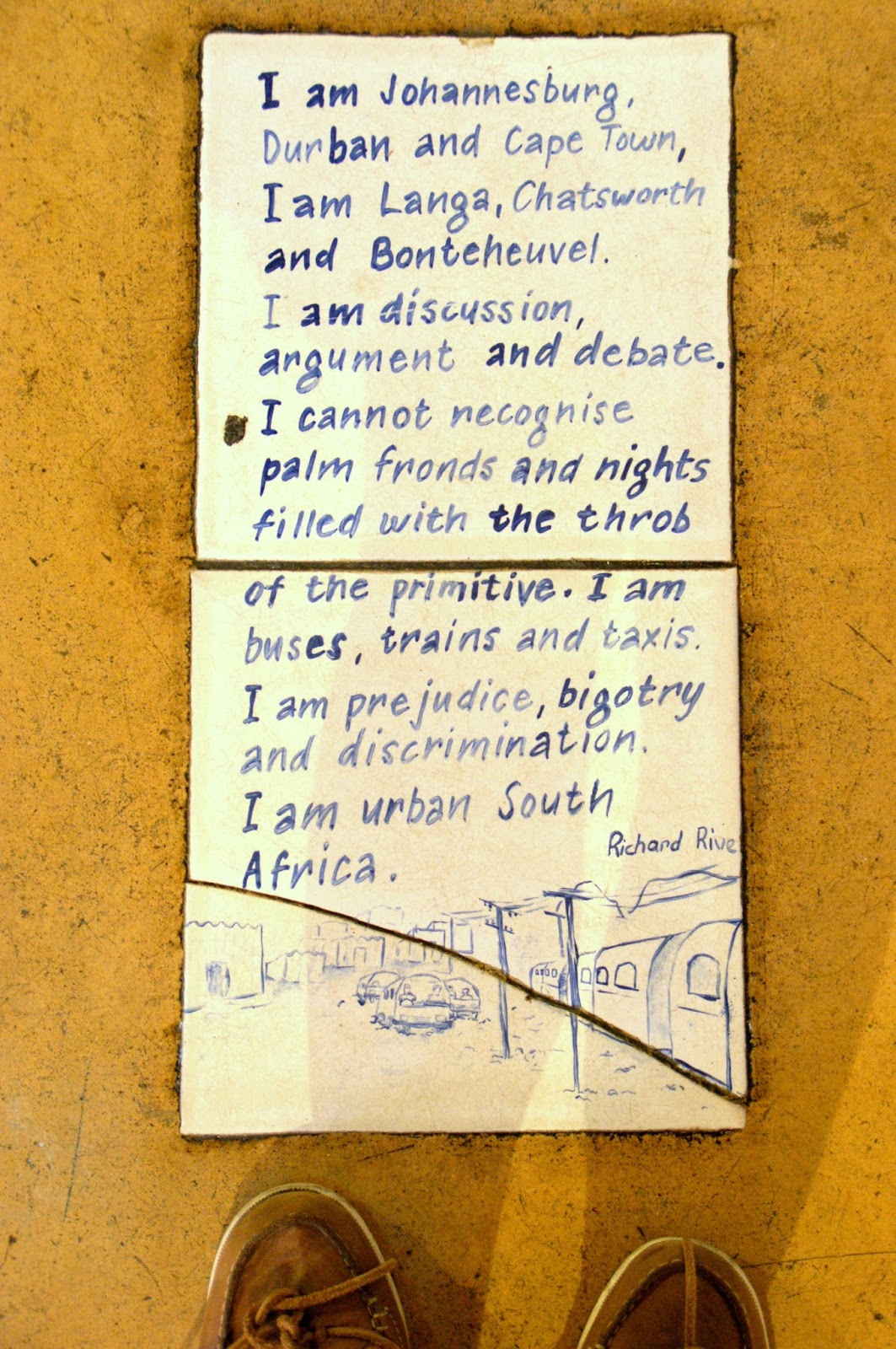
urban South Africa

found @ District Six Museum
Sono Johannesburg, Durban e Città del Capo,
Sono Langa, Chatsworth e Bonteheuvel.
Sono discussione, disputa e dibattito.
Non distinguo le fronde delle palme e le notti che risuonano di pulsazioni primitive.
Sono bus, treni e taxi.
Sono pregiudizio, bigotteria e discriminazione.
Sono il Sud Africa urbano.

Richard Rive,
Museo District Six, Città del Capo

Sunday, 19 January 2014

encounters - incontri

Questi sono incontri abbastanza fuori dal comune, a parte capre e mucche per strada. Si tratta per esempio della zebra che attraversa la strada (sulle strisce?), della scimmia che ruba le patatine da sopra al tavolo, dello struzzo in spiaggia, della cheetah che ci impaurisce guardandoci dritto negli occhi...e il babbuino che riposava ai piedi di un albero e che poi in realtà era una pietra. A onor del vero la nostra guida al Parco Imfolosi ce l'aveva detto: "abbiamo tanti animali qui. Abbiamo anche animali che sembrano pietre e pietre che sembrano animali". Impagabile!
▬▬▬▬ ▬▬▬ ▬▬▬▬
These are exceptional encounters, aside of goats and cows on the road. Encounters such as the zebra crossing (the road), the monkey stealing our chips from on the table, the ostrich on the beach, the cheetah moving gentle looking straight in our eyes...and the baboon resting at the bottom of a tree which turned out to be a stone. After all, as our guide at the Imfolozi Park put it: "We have many animals here. We also have animals that look like rocks and rocks that look like animals". Priceless!


does he need introductions?
ostrich by the beach
baby ostriches
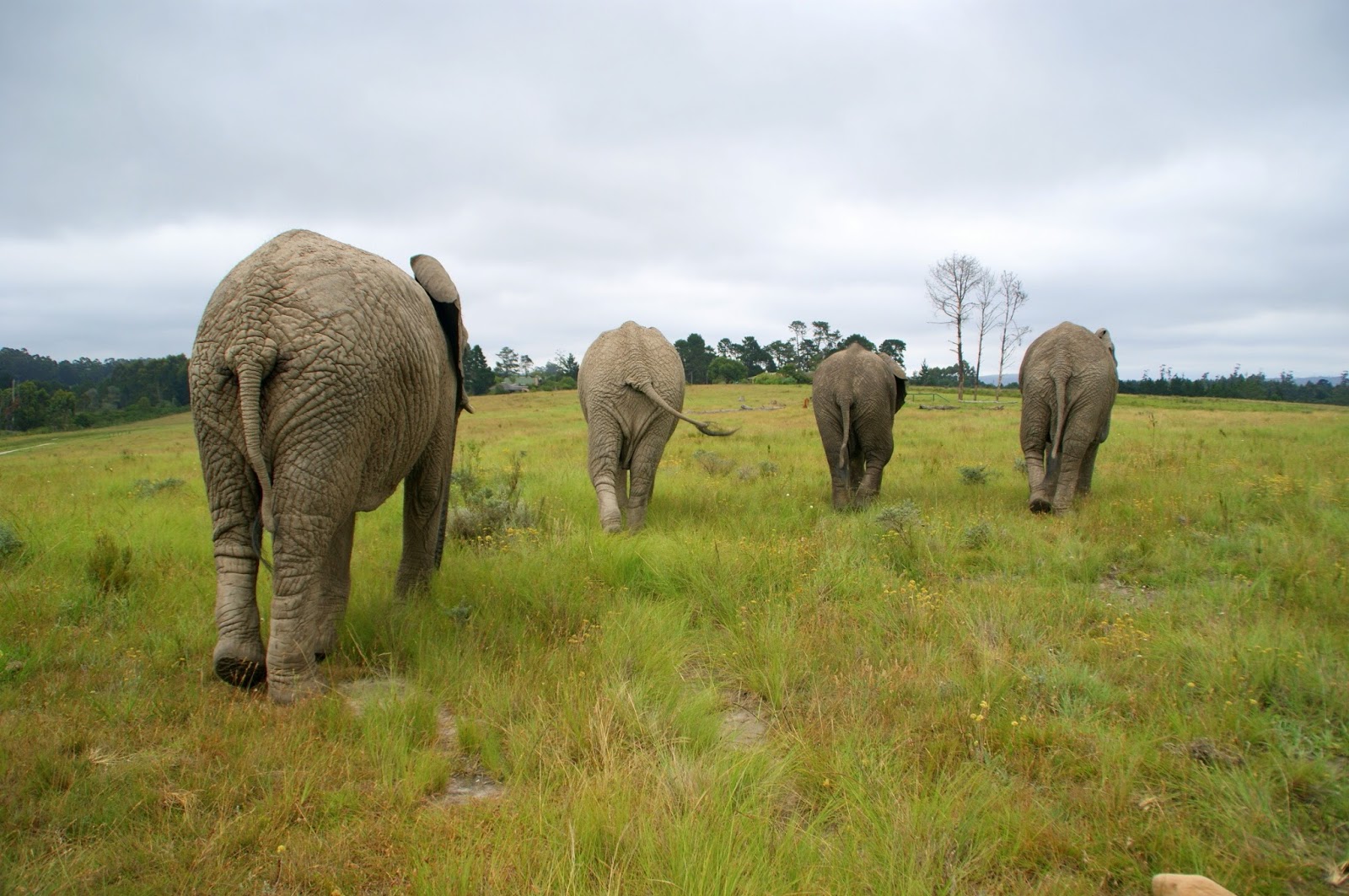
elephants, kindly showing their back
guilty monkey!
the yellow-something bird
the red bishop impressing the ladies
cheetah
zebra crossing
white rhinocero after mud bath
the prettiest of all
Pumba!
zebras' best friend, the gnu
Kunu, king of that hill
bugs rolling and recycling dung
last but not least, the baboon that looked like a stone...

Thursday, 16 January 2014

then, the distances

A smous with his horse cart
Cape Namibia Route
leaving Franschoek's valley behind us
driving through the Wild Coast at dusk
Dopo il vento, sono state le distanze a lasciare il segno. Il Sud Africa ha un'area totale di 1.221.037 km2, cioè circa quattro volte l'Italia e quaranta volte il Belgio. Si capisce quindi l'essenzialità dei primi smous, circa due secoli fa. Gli smous erano venditori ambulanti, nella maggior parte dei casi immigrati dell'Europa orientale arrivati in Sud Africa con tanta speranza ma neanche un centesimo. Per guadagnarsi da vivere correvano con i loro carri e cavalli su e giù per quelle immense terre portando beni di prima necessità e qualche oggetto ricercato a chi viveva in zone lontane e isolate, per lo più contadini. A volte gli smous rappresentavano il loro unico collegamento con il mondo, centinaia di kilometri lontano da tutto.
Noi siamo sopravvissuti per 5000 incredibili km. Abbiamo percorso una parte della Cape-Namibia Route verso il nord, parte della Wild Coast e della Maloti Route, delle terre del vino, la Garden Route, la straordinaria R62 attraverso il piccolo Karoo e perfino la terribile R36 le cui buche sono grandi quanto una vasca da bagno... A ogni collina, un paesaggio diverso, un incontro diverso (capre, mucche, babbuini o un pavone!) e una certezza: a quest'ora avremmo fatto Bruxelles-Palermo e ritorno! Consideriamolo un allenamento.
▬▬▬▬ ☺ ▬▬▬ ☺ ▬▬▬▬

Then, it was the distances to make a big impression. South Africa has a total surface of 1.221.037 km2, roughly four times the size of Italy and fourty times that of Belgium. It's clear then how essential was the work of the early smous, the peddlers, about two hundred years ago. They were mostly migrants from Eastern Europe, who came to South Africa hopeful but penniless, and began earning a living as itinerant pedlars, providing those farmers living in the most remote districts with necessities and small luxuries. Sometimes they were their only link to the outside world, reaching places that were hundreds of kilometers apart.
On our side, we survived to 5000 incredible km. We drove a part of the Cape-Namibia Route, of the Wild Coast and the Maloti Route, the winelands, the Garden Route, the stunning R62 through the little Karoo, and we even survived the terrible R36 which potholes make it a death trap or a bathtub as well. Just beyond the hill, a different landscape was awaiting us, and cows, goats, baboons or pavos too. For sure at that pace we could have driven from Brussels to Palermo and back! Let's consider it training.


Wednesday, 15 January 2014

First, the wind

Table Mountain with the classic table cloth hoovering on top of it
View of Camps Bay (beach) and Lion's Head (on the right) from top of Table Mountain
The twelve apostoles, Camps Bay
Cape peninsula panorama
Cape of Good Hope and Dias beach
St. James beach, Cape peninsula
Wind.
Quando Kapuściński arrivò in Africa nel 1957 per la prima volta, all'atterrare in Ghana fu colpito da quanta luce c'era: "La prima cosa che colpisce è la luce. Luce dappertutto, forte, intensa. Sole dappertutto". La mia prima volta in Africa è stata in Sud Africa (non conto la Tunisia circa nove anni fa) e non è stato il sole a colpirmi di più per prima cosa. E' stato, invece, il vento. Un vento incredibile, implacabile, veemente e furioso, il famoso vento di sud-est che in estate alza le gonne alle donzelle e mette 'la tovaglia' su Table Moutain, la montagna-tavolo. Ironicamente, la sua versione invernale, il vento del nord-ovest, è ancora più inclemente e potenzialmente distruttivo. Venti che hanno valso a Capo di Buona Speranza il nome di Cape of Storms, capo delle tempeste. Immaginate i primi esploratori in cerca di una via sotto l'Africa, nel momento in cui raggiungono la drammatica fine del continente africano. Trovano una punta marcata da venti impetuosi, forti correnti, cime tempestose a strapiombo sull'oceano...Immaginate i naufragi, gli affondamenti e i fallimenti lungo quell'agognata via per le Indie. E immaginatevi anche il turista di oggi, al vento!
▬▬▬▬▬▬▬▬▬▬
When Kapuściński first arrived on African soil in 1957, as he landed in Ghana he was struck by the sun. "Light everywhere. Brightness everywhere. Everywhere, the sun"My first time in Africa was in South Africa (I don't count Tunisia back in 2005) and I have to confess that it was not the sun what struck me the most. It was, instead, the wind. A relentless, raging wind, the famous south-easter that blows in Cape Town during summer time, lifting girls' skirts and putting the typical table cloth on Table Mountain. Ironically, the winter version, the infamous north-west wind, is even worse. No wonder Cape of Good Hope was initially named Cape of Storms by B. Dias. Imagine the first explorers, seeking a route to India and reaching Cape Point after months of sailing. The legendary end of the African continent is marked by furious winds, strong currents, wuthering heights in sheer drop over the ocean...Imagine the shipwrecks, the sinkings, and the failures along that longed sea route to India. And now imagine the tourist today, in the wind!

Wednesday, 10 July 2013

windmills fairytale


Between Keukenhof's endless fields of tulips and the magical Amsterdam's canals, Holland is literally a fairytale become reality*. Far from being "tourists' stuff", flowers charmingly adorne any respectable Dutch house, while the canals are the quintessential mark of the ordered Dutch urban landscape. But more Dutch than the tulip (which was actually brought to the low lands from the Ottoman empire), is the windmill.

Windmills abound in Kinderdijk (dike of the child?), a windy (!) village whose 19 windmills, precisely, have been recognised as world heritage in 1997. It has been on my places-to-visit list for ages, and now that I am back, it's spring and the weather is nice, we have finally managed to get there. Although it is somehow hidden on the map of South Holland, barely on the road signs, and likely underrated by locals, here we are in Kinderdijk! An enchanting expanse of windmills that your eyes can't even grasp in its entirety. The Netherlands in a fairytale.  

* While not representative of the whole country, Holland (the provinces of North Holland + South Holland) remains a unique place in the Netherlands and most probably on earth! 

☺☺☺ ♥ ☺☺☺


Tra gli infiniti tulipani di Keukenhof e i magici canali di Amsterdam, l'Olanda è letteralmente una favola che diventa realtà*. Lontano dall'essere 'cose da turisti', i fiori adornano amabilmente ogni casa olandese che si rispetti, per non parlare poi del canale... quintessenza dell'ordinato panorama urbano. Più olandese del bel tulipano (che fu in realtà importato dall'allora impero ottomano) sono i mulini a vento.

Per anni, Kinderdijk è stato sulla mia lista di posti da visitare in Olanda, e ho aspettato la primavera, il bel tempo e il rientro per andarci...finalmente! Kinderdijk (più o meno traducibile come diga del bambino) è una ventosa, ovviamente, località i cui 19 mulini a vento fanno ufficialmente parte del patrimonio dell'umanità dal 1997. Anche se un pò nascosta nell'affollata mappa della provincia dell'Olanda Meridionale e a stento indicata dalla segnaletica stradale e sicuramente sottovalutata dalla gente del posto, finalmente ce l'abbiamo fatta! Siamo arrivati a Kinderdijk! Una meravigliosa distesa di mulini a vento, neanche tutti a portata di vista... Et voila, l'Olanda in una favola!

* Anche se l'Olanda 
(composta dalle province dell'Olanda Settentrionale e dell'Olanda Meridionale) non è rappresentativa dei Paesi Bassi nella loro interezza, resta un posto unico nei Paesi Bassi e nel mondo!

Translate